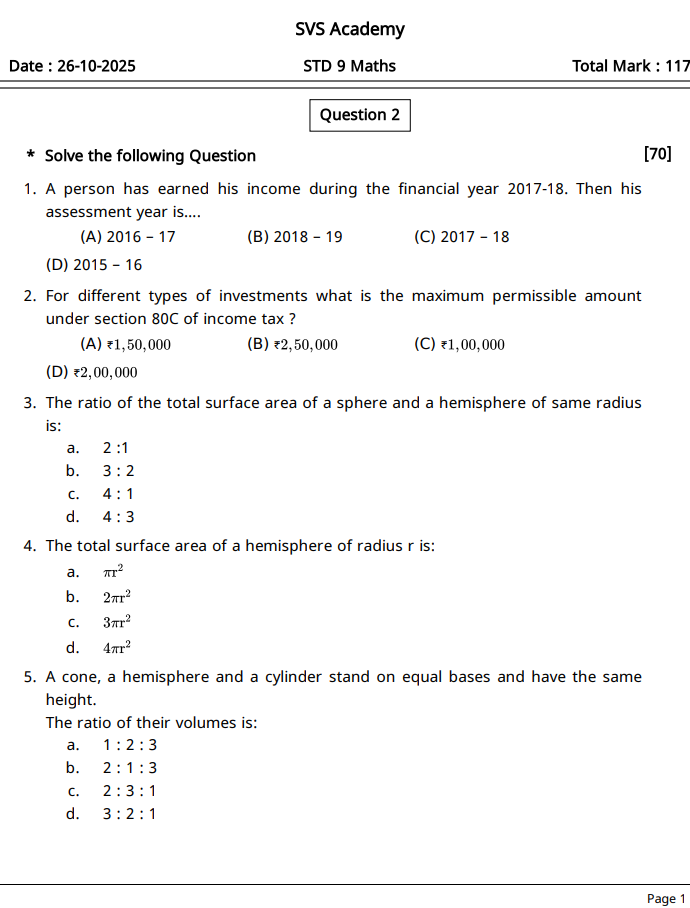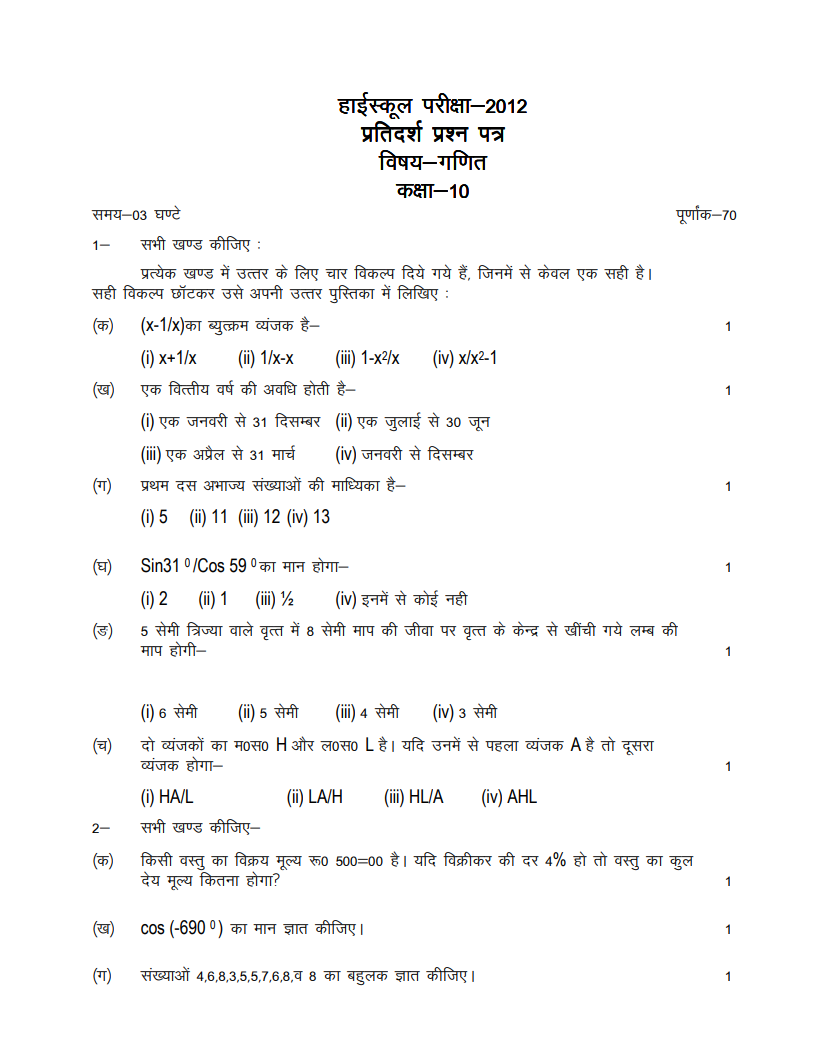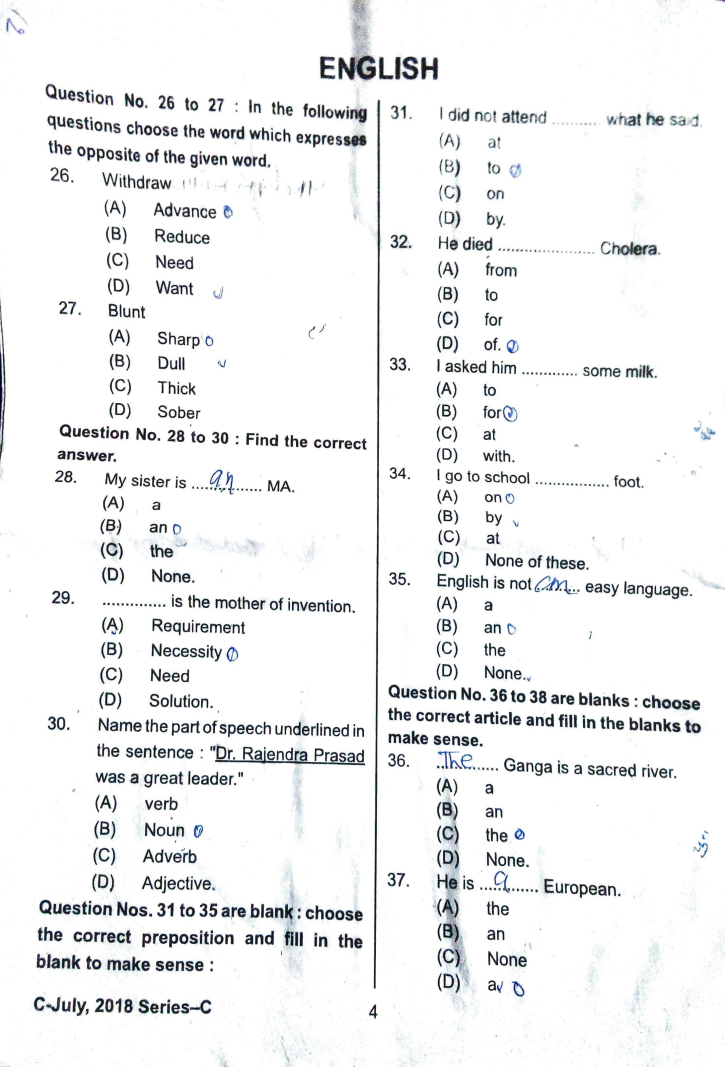
JBT Question Paper 2018 PDF Download: Exam Pattern, Syllabus & Complete Preparation Guide
Introduction to the JBT Exam
JBT stands for Junior Basic Training. It’s a certification that qualifies candidates to teach at the primary school level (Classes 1 to 5) in Indian government and private schools. In most states, JBT has now been rebranded as D.El.Ed (Diploma in Elementary Education), but the older “JBT” name is still used widely, especially for entrance tests and teacher eligibility exams conducted by state education boards.
The JBT exam is typically conducted in two stages. First, there is an entrance test for admission into the two-year JBT/D.El.Ed training program, usually held after class 12th. Second, once a candidate completes the diploma, they must clear a Teacher Eligibility Test (TET) — often also referred to as the JBT TET — to become eligible for recruitment as a primary teacher. States like Himachal Pradesh, Haryana, Rajasthan, Punjab, and Uttar Pradesh each run their own version of this exam through respective boards, such as HPBOSE in Himachal Pradesh.
Because lakhs of candidates compete for a limited number of teacher training seats and teaching posts every year, the JBT exam is very competitive. This is exactly why aspirants keep searching for things like “JBT question paper 2018 pdf download” — a genuine past paper gives you a realistic sense of difficulty level, question style, and time pressure, which no guidebook can fully give.
Exam Pattern of JBT
While the exact pattern can vary slightly from state to state and year to year, the general structure of the JBT entrance/eligibility exam follows a fairly consistent format:
- Mode of exam: Offline, pen and paper based (OMR sheet)
- Type of questions: Objective, multiple choice questions (MCQ’s)
- No. of questions: Usually between 100 and 150, depending on the board
- Duration: Generally 2 to 2.5 hrs
- Medium of paper: Bilingual — Hindi and English (may vary state to state)
- Sections: Divided into distinct sections that cover language ability, maths, environmental studies/general studies, and child development & pedagogy.
A typical JBT paper is broken into 4 or 5 sections of roughly equal weight, so no single subject dominates the score. This balanced structure basically means a candidate can’t rely on strength in just one area, and consistent prep across all sections becomes necessary.
Marking Pattern of JBT
Understanding the marking scheme is just as important as knowing the syllabus, since it directly shapes your exam day strategy:
- Each correct answer typically carries 1 mark
- Most state boards do not apply negative marking for JBT entrance exams, though some TET-level exams do deduct a fraction of marks for wrong answers — this detail changes from board to board, so candidates should always double-check the current year’s official notification.
- Total marks for the paper are usually 100 to 150, matching the number of questions
- There is generally no sectional cut-off, but overall qualifying percentage (often 40-45% general category, slightly relaxed for reserved category) must be clear.
Because marking is largely one mark per question with limited or no negative marking in many states, attempting every question — including educated guesses — can be a viable strategy. But this varies board to board, so it’s worth confirming specific rules before the exam.
Syllabus Overview
JBT syllabus is designed around the aptitude and knowledge that are needed to teach young children effectively. It generally includes:
1. Child Development & Pedagogy Topics include theories of child growth and development, stages of learning, individual differences among learners, and inclusive education. This section tests the candidate’s understanding of how children think and learn, along with effective classroom management techniques.
2. Language (Hindi/English/Regional Language) covers grammar, comprehension, vocabulary, and pedagogy of language teaching. Candidates are tested on their command of the language as well as their ability to teach it to young learners.
3. Mathematics: Basic arithmetic, number system, geometry, and problem solving form the core, along with questions on how mathematical concepts should be introduced to primary level students.
4. Environmental Studies (EVS) / General Science This section blends elementary science and social studies — topics like the human body, plants, environment, community life, and civics — again with emphasis on how these subjects are taught to children.
5. General Knowledge & Current Affairs Some state boards also include a section on general awareness, which covers national and state-level current affairs, history, geography, and government schemes.
6. Reasoning & Aptitude (in some states) A few boards also test logical reasoning and numerical aptitude as part of the overall evaluation.
Since exact syllabus weightage differs from board to board, you must download the official syllabus PDF from the relevant state board’s website before you begin preparation.
Why the 2018 Previous Year Question Paper Matters
Aspirants specifically look for the 2018 paper — and other previous years — for several practical reasons:
- Understanding difficulty level: A real paper shows exactly how tough the questions are, rather than relying on assumptions from generic practice sets.
- Familiarity with question style: Every board have there own way of framing questions. Practicing the 2018 paper helps candidates get used to the phrasing and structure they will encounter.
- Time management practice: Solving an actual past paper under timed conditions is one of the best ways to build speed and accuracy for the real exam.
- Identifying repeated topics: Many state level exam reuses certainthemess or question types year after year; reviewing the 2018 paper can reveal patterns worth focusing on.
- Self-assessment: Comparing your score onthe 2018 paper against the qualifying cutoff gives a realistic benchmark of where you currently stand.
- Confidence building: Successfully attempting a genuine past paper reduces exam day anxiety since the format no longer feels unfamiliar.
If you’re specifically hunting for the 2018 JBT or D.El.Ed entrance paper, check the official website of your state board (for example, HPBOSE for Himachal Pradesh), along with reputable regional exam prep blogs and portals that archive old papers with answer keys. Always cross-check the answer key against the official version where possible, since third-party sources can occasionally contain errors
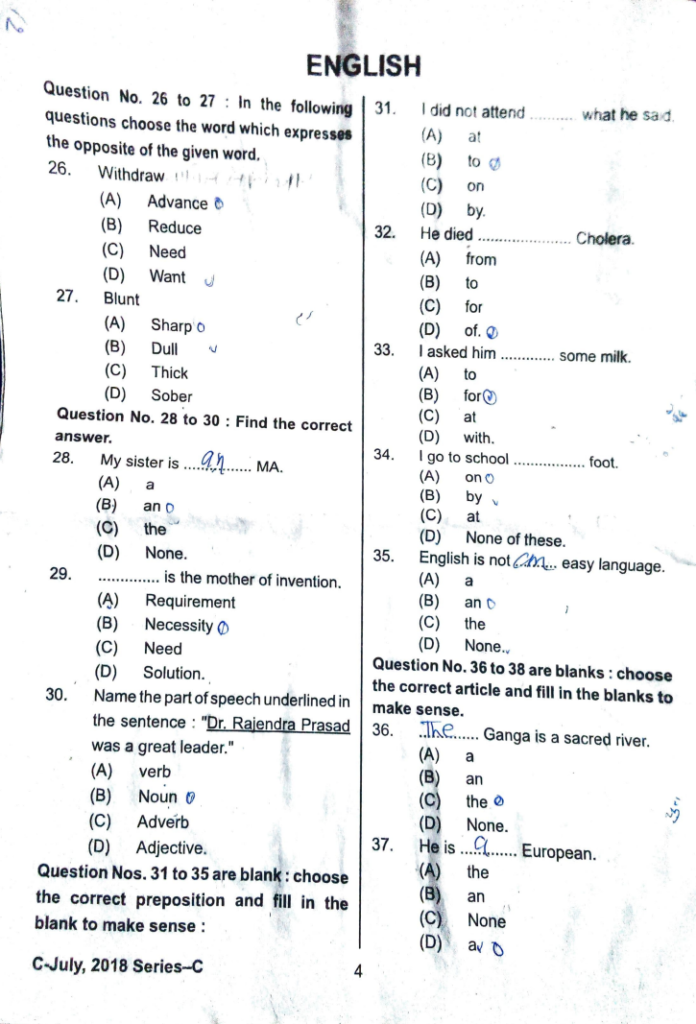
Study Plan for the JBT Exam
A structured plan makes a real difference when you’re preparing for a multi-section exam like JBT. Here’s a practical approach:
- 8-10 weeks before the exam: Cover the complete syllabus section by section — start with Child Development & Pedagogy and Language since these usually carry significant weight and are easier to master through concept clarity.
- 6 weeks before exam: Move on to Mathematics and EVS/General Science, focus on basic formulas, definitions, and NCERT level concept’s upto class 10th.
- 4 weeks before the exam: Begin solving previous year papers, starting with the most recent ones and working backward, including the 2018 paper. Time yourself strictly so it simulates real exam conditions.
- 2 weeks before the exam: Focus purely on revision, weak areas,s and full-length mock tests. Analyse mistakes from each mock and revisit those specific topics.
- Last few days: Avoid starting any new topic. Revise formulas, important dates, and pedagogical concepts, and get adequate rest before the exam day.
Throughout this period, maintaining a daily routine of at least one MCQ practice session helps build both speed and retention, which is equally important for a paper of this nature.
Final Words
JBT exam is a gateway to a stable and respected teaching career, and success depends heavily on disciplined preparation across a balanced syllabus. Searching for “JBT question paper 2018 pdf download” is a smart first step, but it works best as part of a broader strategy that includes covering the full syllabus, understanding the marking scheme, and practicing multiple past papers — not just one year’s paper in isolation. Always verify the current exam pattern, marking scheme, and syllabus from your state board’s official notification before finalizing a study plan, since these details can change year to year. With consistent effort, smart use of previous papers, and a realistic timeline, clearing the JBT exam is very much an achievable goal.