9th Class Final Exam Paper 2019: A Complete Study Guide
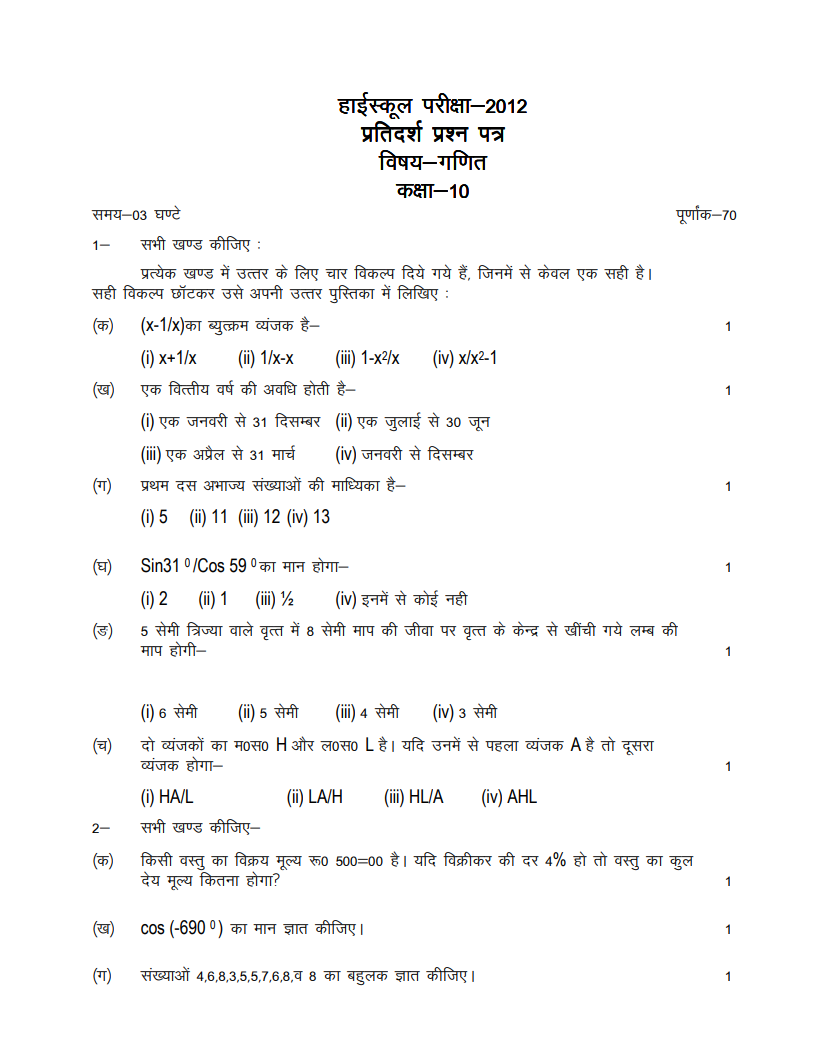
If you’re a 9th-class student preparing for your annual exams, chances are someone has already told you to “solve past papers.” It’s advice you’ve probably heard a hundred times, and honestly, it’s repeated so often because it actually works. The 9th class final exam paper 2019 is one of the most commonly referenced past papers among 9th graders, and for good reason — it gives you a real, honest picture of what to expect: how questions are framed, how much weight each topic carries, and where students typically lose marks.
This guide isn’t just a place to point you toward the paper. It’s meant to walk you through how to actually use the Class 9 final exam paper 2019 so your revision time counts for something.
Why the 9th Class Final Exam Paper 2019 Still Matters
Exam papers don’t change dramatically from year to year. Boards usually stick to a similar pattern — same subjects, similar mark distribution, and often the same style of questioning even if the actual questions are different. So even though 2019 might feel like “old news” now, the 9th class final exam paper from that year is still a solid reference point because:
- It shows you the actual exam format (objective, short-answer, long-answer sections)
- It reveals which chapters get more weightage
- It helps you get used to the time pressure of a real paper
- It shows you how examiners phrase questions, which is honestly half the battle
A lot of students lose marks not because they didn’t study the content, but because the way the question was worded confused them. Practicing with real Class 9 past papers, including the 2019 one, fixes that.
What Did the 2019 9th Class Final Exam Cover?
Depending on your board and region, the subject list for 9th class typically includes core subjects like Mathematics, Physics, Chemistry, Biology or Computer Science, English, your regional/first language, and one or two additional subjects such as Social Studies, Islamiat, or Pakistan Studies (this varies quite a bit by country and board, so double check your own board’s subject list before assuming).
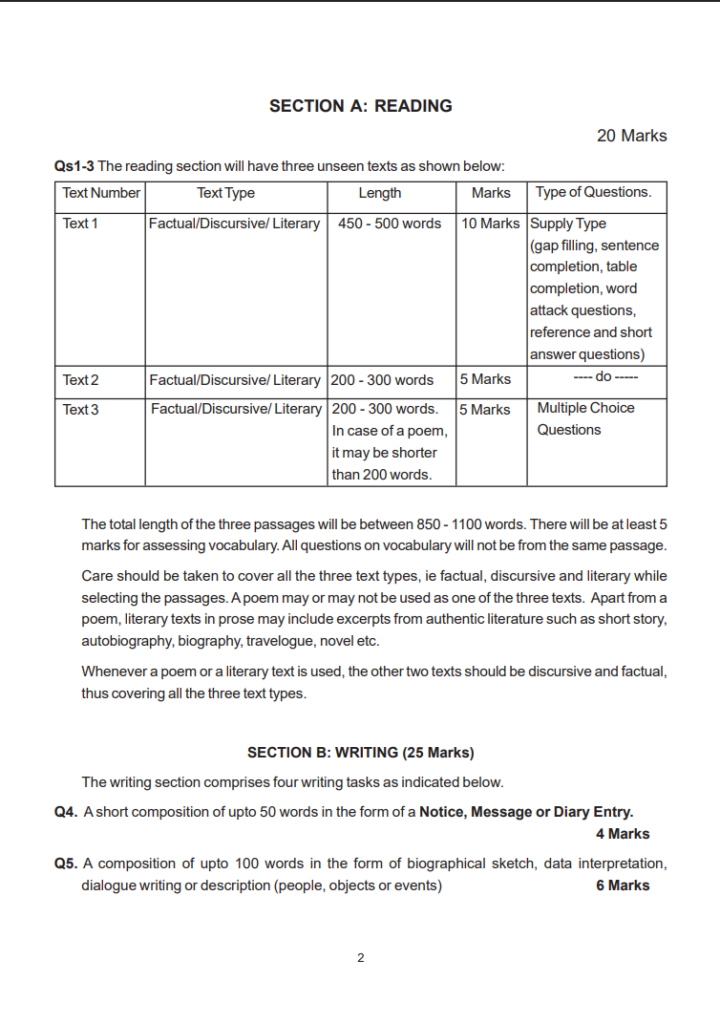
Most 2019 papers followed a three-part structure:
- Objective section (MCQs) — usually worth around 15–20% of total marks. Quick, but tricky because options are often designed to trap common misconceptions.
- Short-answer section — this is usually the biggest chunk of the paper. You’re expected to answer a set number of questions out of a larger list, so choosing wisely matters as much as knowing the content.
- Long-answer/extended-response section — fewer questions, but each carries more marks, and this is where structure and presentation really start to matter.
If you’ve never actually timed yourself on a full 9th-class annual exam paper before, this is the year to start. Grab a stopwatch, sit somewhere quiet, and attempt the whole thing start to finish like it’s the real deal.
Subject-Wise Tips for the 9th Class Exam Paper
Mathematics: The 2019 paper (like most years) leaned heavily on algebra, geometry, and basic trigonometry. Don’t just memorize formulas — actually work through the steps. Examiners give partial marks for showing correct method even if your final answer is off, so never leave a question blank just because you’re not 100% sure of the answer.
Physics, Chemistry, Biology: These papers tend to test both conceptual understanding and definitions. A common mistake is memorizing definitions word-for-word without understanding what they actually mean — which falls apart the moment a question is phrased slightly differently than the textbook.
English: Comprehension passages and grammar sections show up consistently. Practice summarizing paragraphs in your own words rather than copying lines directly, since examiners are specifically checking for understanding, not memory.
Social Studies / Pakistan Studies / Islamiat (or equivalent): These subjects reward students who can write structured, organized answers rather than a wall of text. Use headings or numbered points where appropriate — it makes your answer easier to mark and, honestly, easier to write too.
How to Use the 9th Class Final Exam Paper 2019 Effectively
Here’s where most students go wrong — they read through the paper once, nod along thinking “yeah I know this,” and move on. That’s not practice, that’s just familiarity, and it won’t help you much on exam day.
Instead, try this approach:
- Attempt it cold first. No notes, no textbook, just you and the paper under timed conditions. This shows you your actual current level, not what you think your level is.
- Mark it honestly. Compare your answers to the marking scheme if you have access to one, or to your textbook.
- Keep an error log. Write down every question you got wrong or were unsure about, along with why you got it wrong. Was it a content gap? A silly mistake? Poor time management?
- Revisit the weak spots. Go back to those specific chapters instead of re-reading the whole book from page one.
- Repeat with a different year’s paper. Once you’re comfortable with the 2019 paper, move to other years’ class 9 past papers to see how consistent the pattern really is.
9th Class Exam Preparation Timetable
If your exam is a few weeks away, here’s a rough structure that tends to work well:
- 3 weeks out: Go through each subject once, focusing on weaker chapters first.
- 2 weeks out: Start solving past papers, one subject a day, timed.
- 1 week out: Focus entirely on your error log — the mistakes you keep repeating.
- Final 2–3 days: Light revision only. Skim formulas, definitions, and key diagrams. Don’t try to learn new material this close to the exam, it usually just adds stress without much benefit.
Common Mistakes to Avoid in 9th Class Final Exams
- Spending too much time on one long question and running out of time for the rest.
- Ignoring the objective section during practice because “it’s just MCQs” — these marks matter just as much.
- Not practicing handwriting speed, which sounds minor but genuinely affects how much you can write in the given time.
- Skipping diagrams in science subjects because they seem “extra,” when labeled diagrams often carry dedicated marks.
Frequently Asked Questions About the 9th Class Final Exam Paper 2019
Q: Is the 9th class final exam paper 2019 still useful for current exam prep? Yes. Exam patterns and mark distributions tend to stay fairly consistent year over year, so the 2019 paper is still a reliable way to understand format and question style, even if you’re preparing for a more recent exam.
Q: How many past papers should I solve before my 9th class annual exam? There’s no magic number, but most students benefit from solving at least 3–5 years’ worth of papers, including the 2019 one, so they start noticing repeated patterns rather than memorizing a single year’s questions.
Q: Should I solve the 9th class final exam paper 2019 under timed conditions? Definitely. Reading through a past paper without timing yourself only builds familiarity, not real exam readiness. Time pressure is a big part of what trips students up on the actual day.
Q: Which subjects usually need the most past-paper practice in 9th class? Math and the sciences (Physics, Chemistry, Biology) tend to benefit the most from repeated past-paper practice since they’re heavily method- and formula-based, but don’t skip English and your language subjects either.
Final Thoughts
The 9th class final exam paper 2019 is a genuinely useful tool, but it’s only as good as the effort you put into using it properly. Don’t just skim it the night before your exam and hope for the best. Sit down, treat it like the real thing, time yourself, and be honest about where you’re struggling. That kind of practice, repeated a few times with a few different years’ papers, is what actually moves the needle — far more than another hour of just re-reading the textbook.
Good luck with your exams. You’ve got this, just don’t leave it all for the last week.